Fix the damage
Joint, crack & concrete repairs
Rebuild broken joint edges, fill holes and repair local damage before wheels turn small defects into large hazards.
- Best for
- Spalled joints, cracks, impact damage
- Benefit
- Stops accelerated deterioration

Factory & warehouse flooring
Repair, prepare and refinish tired concrete with a system selected for your traffic, cleaning, chemicals, heat, slip resistance and available downtime.
Auckland based · Larger projects undertaken nationwide
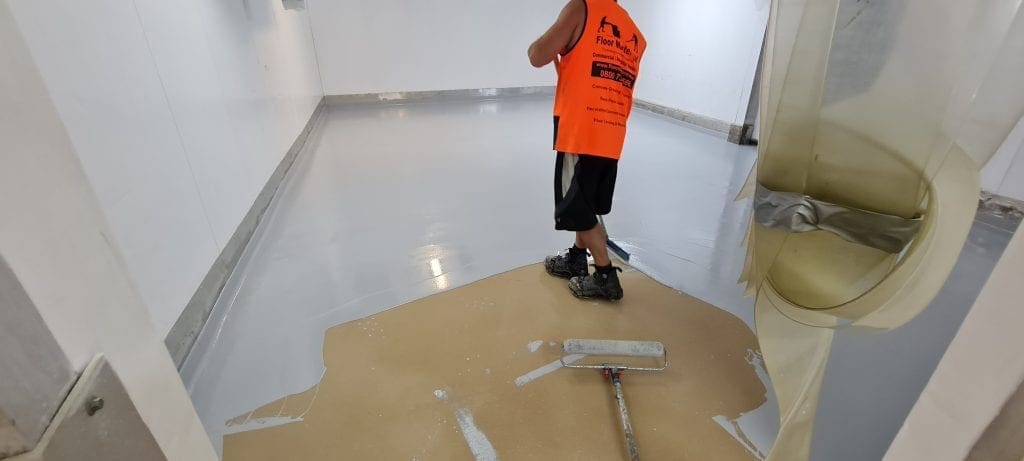
Start with the problem
A cheap coating over weak, contaminated or damp concrete is not a solution. We assess what the slab is doing, how the space is used, and how long the floor needs to last before recommending a system.
Six practical routes
The “best” factory floor handles your operation without paying for performance you do not need—or finding out too late that you bought too little.
Fix the damage
Rebuild broken joint edges, fill holes and repair local damage before wheels turn small defects into large hazards.
Control the dust
For sound concrete that needs to be cleaner and easier to maintain, without building a full resin system.
Cost-effective protection
From straightforward coatings to thicker self-levelling systems, epoxy can provide a seamless, easy-clean surface at a sensible cost.
Faster return to use
Fast-curing, hard-wearing coatings for operations that cannot afford a long shutdown. Plain, quartz and decorative options are available.
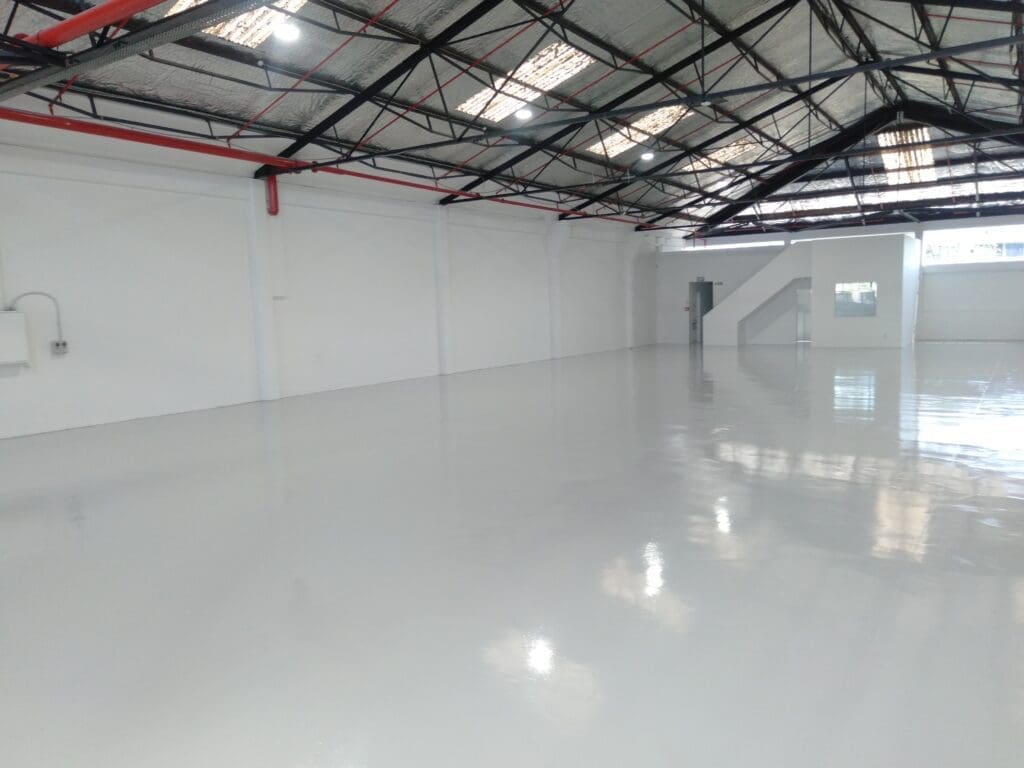
Heavy duty & wet processing
A robust, seamless topping where heat, impact, moisture, chemicals and aggressive cleaning must be considered.
Shortest shutdowns
Rapid curing makes MMA useful where hours matter. Decorative, plain and slip-resistant systems can be configured for the space.
What sits underneath matters
Old coatings, adhesives, contamination and weak surface laitance must be dealt with. Diamond grinding or shot blasting creates the profile the selected system needs.
Cracks, failed joints, holes, trip edges, falls and uneven areas are repaired or reshaped to suit the finished floor and traffic movement.
New or damp slabs can compromise otherwise good flooring. Where required, we include a compatible moisture barrier before the finish.
Wet and hygienic areas may need seamless coving. Slip resistance must balance grip with the need to keep the floor practical to clean.
The questions that decide the floor
Before recommending anything, we need to understand the real conditions. That is how you avoid under-specifying and unnecessary cost.
From problem to finished floor
You get a clear recommendation, a defined preparation method and an installation programme built around your operation.
We inspect the concrete, damage, contamination, moisture risk, traffic and working conditions.
We match preparation, repairs, resin type, thickness, texture and colour to your priorities.
The slab is mechanically prepared and repaired before the specified system is installed.
We set realistic cure and handover timing so the floor is not damaged by being reopened too soon.
Straight answers
Usually, yes—but repairs and preparation come first. We assess contamination, weak concrete, failed joints, moisture and previous coatings before deciding whether a coating, topping or repair-only programme makes sense.
That depends on repairs, area size and resin technology. Conventional multi-coat epoxy systems normally need more time. Polyaspartic and MMA can dramatically shorten the programme where downtime is critical.
Yes. Texture can be adjusted with aggregates and coating build. More texture generally improves grip but also makes cleaning harder, so the finish must balance both requirements.
No. Epoxy can be excellent value in the right area, but a faster or tougher system may cost less overall if it avoids production downtime or premature replacement.
Floor Masters is Auckland based and undertakes suitable larger projects across New Zealand.
Get the floor you need
Tell us what is failing, how the area is used and when work could happen. We’ll help narrow down the practical options.